In This Guide
If you are facing abuse at home, you can file a domestic violence complaint under the Protection of Women from Domestic Violence Act, 2005. You can apply to a Magistrate directly, or through a Protection Officer or service provider, for a protection order, the right to stay in your home, money, and custody of your children.
If you are in immediate danger, call 112. The women helpline 181 can also guide you to support near you. Your safety comes first; the legal steps can follow.
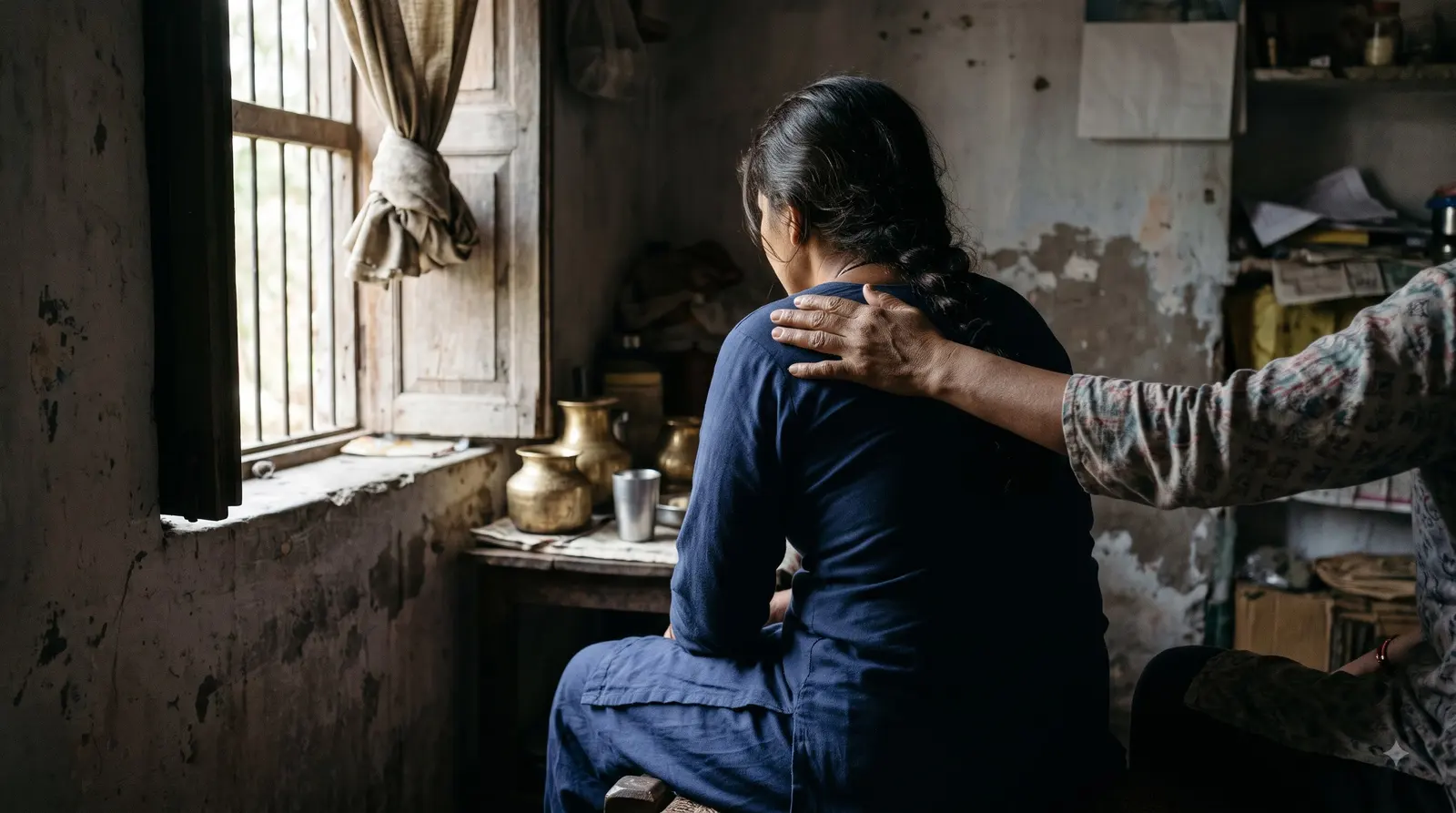
What is happening to you is not your fault, and you do not have to face it alone. This guide explains your options in plain words so you can decide what is right for you.
What counts as domestic violence?
The DV Act takes a wide view of abuse. It covers:
- Physical abuse: hitting, pushing, slapping or any act that hurts you or puts your health or life in danger.
- Sexual abuse: any sexual conduct that humiliates, degrades or violates your dignity.
- Verbal and emotional abuse: insults, name-calling, ridicule, threats, or taunts, for example about dowry or not having a son.
- Economic abuse: denying you money for basic needs, taking away your salary, jewellery or stridhan, or forcing you out of the home.
You do not need visible injuries to be protected. Repeated humiliation or being cut off from money is also domestic violence under the Act.
Who can file a complaint under the DV Act?
The Act protects a woman who is, or has been, in a domestic relationship with the person causing the abuse and has lived with them in a shared household. This includes:
- a wife, against her husband and his relatives
- a woman in a live-in relationship in the nature of marriage
- a mother, sister, daughter or widow living in the family home
It does not matter if you have already moved out. A relationship in the past, and a shared home in the past, are enough.
Is a DV case civil or criminal?
A case under the DV Act is a civil remedy. Its purpose is to stop the abuse and support you, not to send anyone to jail. That is why many women find it a gentler first step.
Criminal law is separate. Cruelty by a husband or his relatives is an offence under section 85 of the Bharatiya Nyaya Sanhita (old IPC section 498A), and you can file an FIR for it. You can use the DV Act, a criminal complaint, or both, depending on your situation. Read our guide on how to file an FIR if you are considering that route.
What reliefs can the Magistrate give?
Under the DV Act, the Magistrate can pass several orders, together or separately:
- Protection order (section 18): stops the abuser from committing violence, contacting you, coming to your workplace, or disposing of shared assets.
- Residence order (section 19): protects you from being thrown out of the shared household, and can direct the abuser to stay away. Section 17 gives you the right to reside in the shared household, whether or not you own any share in it.
- Monetary relief (section 20): money for expenses and losses caused by the violence, including medical costs, lost earnings and maintenance for you and your children.
- Custody order (section 21): temporary custody of your children.
- Compensation order (section 22): compensation for injuries, including mental torture and emotional distress.
In urgent situations, the Magistrate can also pass interim orders, even before hearing the other side. If the abuser breaks a protection order, that breach is itself a punishable offence.
How to file a domestic violence complaint: step by step
- Make sure you are safe. If you are in danger, call 112. Reach out to someone you trust, and keep important papers and a phone with you if you can.
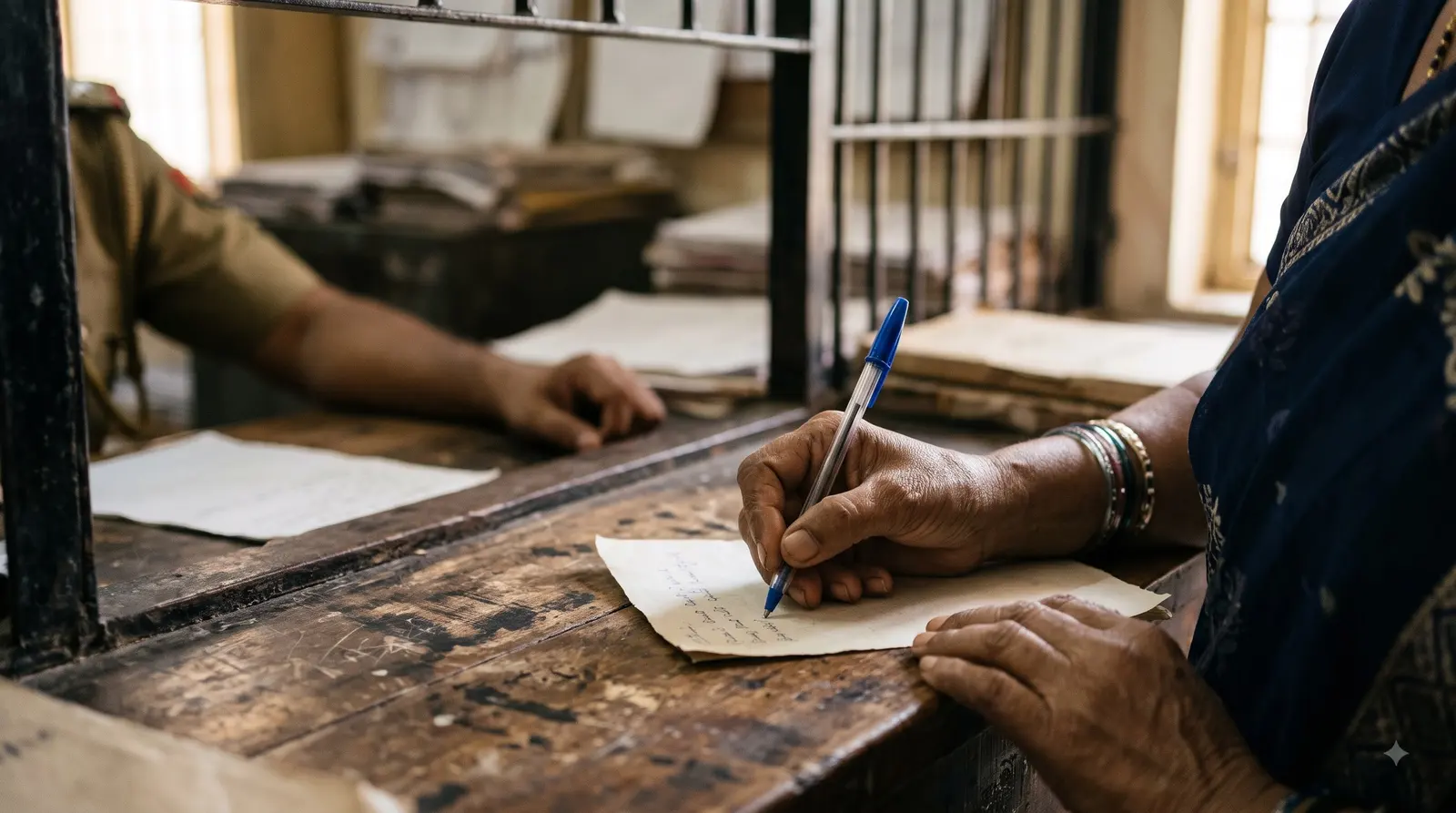
- Contact a Protection Officer or service provider. Each district has Protection Officers under the Act. They can help you record a Domestic Incident Report, find shelter or medical help, and file your application. You can also go to a lawyer or to the Magistrate's court directly.
- File an application under section 12. The application to the Magistrate states what has happened and the reliefs you need. You can usually file where you currently live, even if you are staying there only temporarily, or where the abuser lives.
- Attend the hearing. The court sends notice to the other side. You can ask for interim orders at the first hearing if you need urgent protection.
- Get the final order and keep copies. Keep a certified copy of every order with you. If the order is broken, inform the Protection Officer or the police.
What evidence helps?
You do not need perfect proof to start, but these can strengthen your case:
- medical records and doctor's notes for any injuries
- photos of injuries or damaged belongings
- threatening messages, emails or call records
- a simple diary with dates and what happened
- bank statements showing money being withheld or taken
- names of neighbours, relatives or friends who know what happened
Tip: Keep copies of your documents and evidence somewhere safe outside the home, such as with a trusted friend or in a secure email account the other person cannot access.
Free legal help is available
Under the Legal Services Authorities Act, every woman is eligible for free legal aid, regardless of income. You can contact your District Legal Services Authority or call the NALSA helpline 15100 to ask for a lawyer at no cost. Our guide on free legal aid in India explains how to apply.
How NYAY GHAR can help
Taking the first step can feel overwhelming. Through NYAY GHAR, you can request legal assistance and share your situation in your own words. We can connect you with an advocate who can explain your options, help prepare your section 12 application, and ask for urgent orders if needed. You decide what happens next. Learn more on our family law practice area page. If you are also thinking about ending the marriage, see our guide to the mutual consent divorce process.
This guide is general legal information, not legal advice for your specific case.
Written by the NYAY GHAR team from the relevant Acts and Supreme Court judgments, for general awareness. Laws change, so check the current position with a qualified advocate before acting.
Official Sources
Frequently Asked Questions
Can I file a domestic violence case if I no longer live with my husband?
Yes. The Act covers women who have lived in a shared household with the abuser at any point, so moving out does not take away your right to apply.
Will my husband be arrested if I file under the DV Act?
A DV Act case is civil, so filing it does not by itself lead to arrest. However, breaking a protection order is a punishable offence, and criminal cruelty can be pursued separately under BNS section 85.
Do I need a lawyer to file a DV case?
It is not compulsory; a Protection Officer can help you prepare and file the application. A lawyer can still be very helpful, and women are eligible for free legal aid through the Legal Services Authorities.
Can a woman in a live-in relationship use the DV Act?
Yes, if the relationship is in the nature of marriage and you lived together in a shared household. The same reliefs, such as protection and monetary orders, are available.
Need Help With Your Own Situation?
Every case is different. Share what happened and our team will review it and guide you to the right next step.