
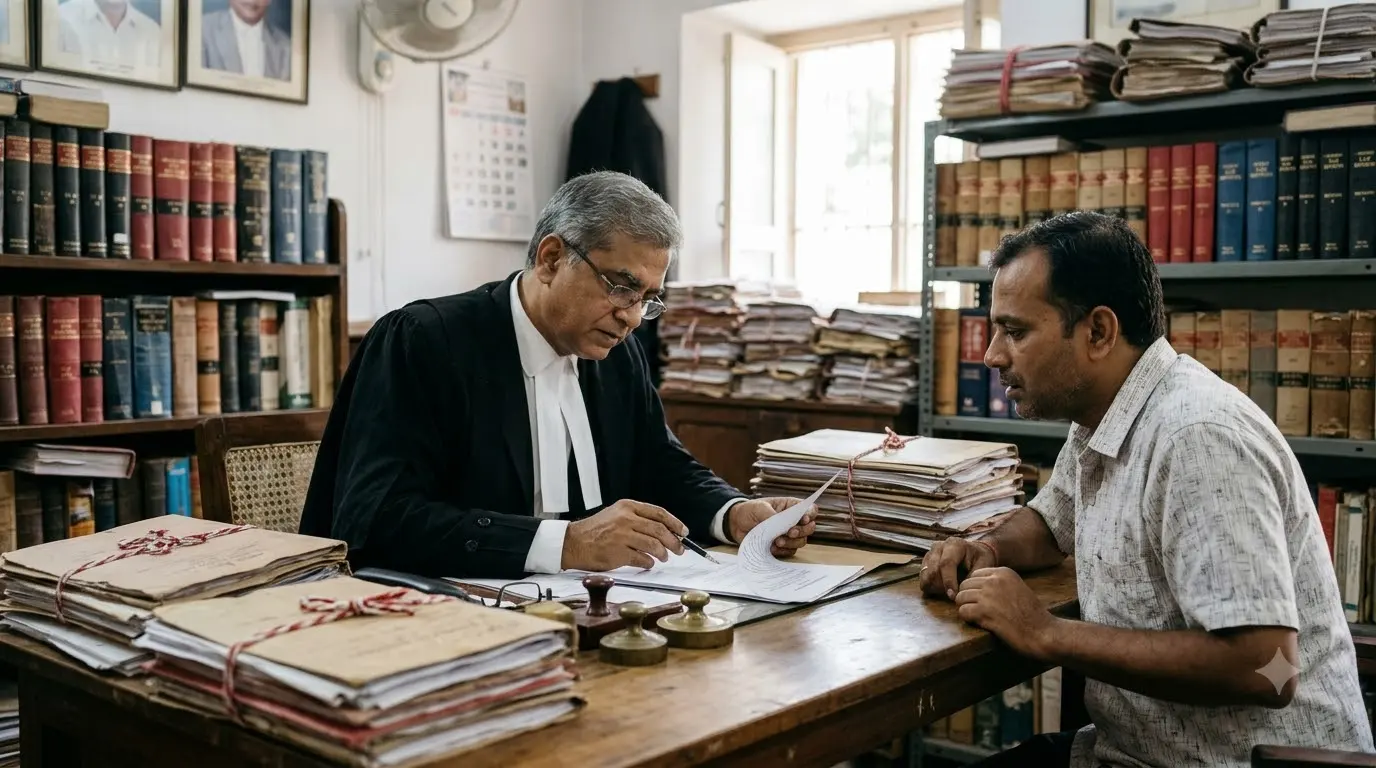
Civil Law
Disputes over rights, money, agreements or obligations between parties.
Key Dates and Numbers
- 3 years
- Many money and contract claims
- The usual limitation period. The exact period depends on the type of claim, so check it early.
- 30 days
- Cheque bounce notice
- The demand notice must go within 30 days of receiving the bank's return memo.
- 1 month
- Cheque bounce complaint
- Counted after the drawer's 15 days to pay have expired. The court may condone delay for sufficient cause.
Overview
Civil law covers disputes between people, businesses or organisations over money, agreements, rights and obligations. Unlike a criminal case, the aim of a civil case is usually to recover what is owed, enforce a promise or stop a wrong from continuing, through an order of a civil court.

What This Area Covers
The kinds of matter people most often bring to us in this area.
Recovery of Money
Loans, unpaid invoices, dues and deposits that the other side has not returned.
Breach of Contract
Agreements that were not honoured, where you may seek compensation or ask that the promise be performed.
Injunctions
Court orders that stop someone from doing something, including temporary orders while a case is pending.
Specific Performance and Declarations
Asking a court to enforce an agreement or to declare what your legal rights are.
Dishonoured Cheques
Notices and recovery where a cheque given to you has been returned unpaid by the bank.
Appeals and Execution
Challenging a decree you disagree with, or enforcing one that the other side has not obeyed.
When You Might Need Help
If any of these sounds familiar, it may help to get guidance early.
- Someone borrowed money from you and is not repaying it
- A buyer, seller or contractor has broken a written agreement
- You need a court order to stop someone from interfering with your rights
- A cheque given to you has bounced and you want to recover the amount
How a Matter Usually Moves
This is the usual order of events. Your matter may differ, depending on its facts and your state.
- 1
Papers and Timeline
- 2
Written Demand or Legal Notice
- 3
Attempt at Settlement
- 4
Filing the Suit
- 5
Trial, Decree and Execution
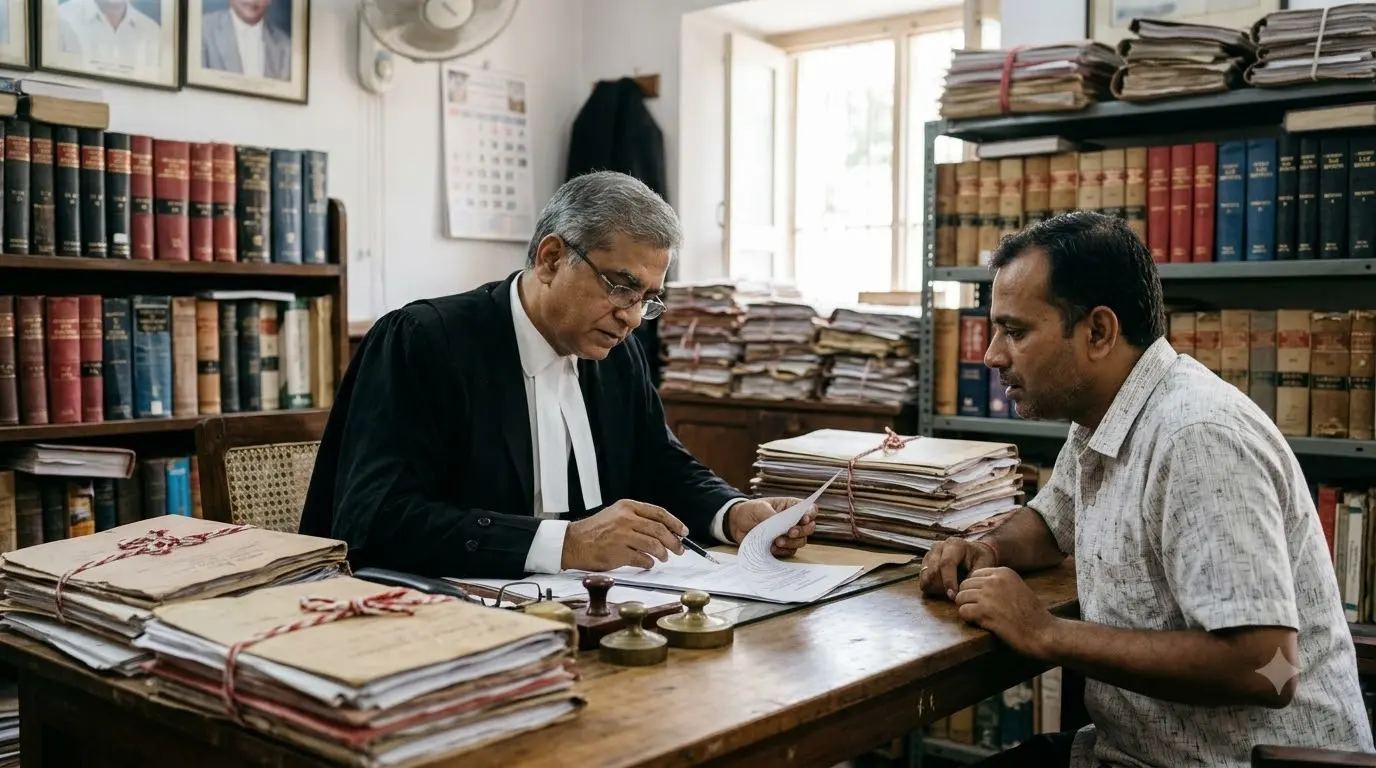
How NYAY GHAR Helps
What you can expect from our team once you share your concern.
Review of Your Matter
We read your account and documents to understand what the dispute is really about.
Explaining Your Options
We explain routes such as a legal notice, negotiation, mediation, Lok Adalat or a civil suit in plain language.
Watching Time Limits
We point out limitation periods that may apply, so you do not lose a remedy by waiting too long.
Connecting with an Advocate
Where court action may be needed, we connect you with an advocate who handles civil matters.
Documents to Keep Ready
You do not need all of these. Share what you have.
- Written agreements, contracts, quotations or invoices
- Receipts, bank statements and other proof of payment
- Letters, emails and chat messages with the other party
- Any legal notice sent or received, with proof of delivery
Mistakes to Avoid
Small slips that can make a matter harder later on.
- Waiting until a limitation period is about to end before taking advice
- Ignoring a summons, which can lead the court to proceed in your absence
- Paying or lending large sums without a written record or receipt
- Throwing away original papers or deleting messages with the other party
Laws That Usually Apply
The main laws behind this area, in plain language.
Code of Civil Procedure, 1908
Indian Contract Act, 1872
Specific Relief Act, 1963
Common Questions
Every situation is different. These pages explain the area in general terms; your matter will be reviewed on its own facts.
Do I have to send a legal notice before filing a civil suit?
Not always. A notice is required in some cases, such as suits against the government under Section 80 of the Code of Civil Procedure and cheque bounce cases; in others it is a useful first step that often opens the door to settlement.
How long do I have to file a civil case?
It depends on the type of claim. The Limitation Act sets the period, which for many money and contract claims is three years, so it is wise to check early.
Can a civil dispute be settled without a full trial?
Yes. Negotiation, mediation and Lok Adalats resolve many civil disputes. A Lok Adalat award is final and no court fee is payable there.
Will NYAY GHAR represent me in court?
NYAY GHAR reviews your concern and explains your options. Where representation is needed, we connect you with a qualified advocate, and any further help is arranged with your consent on clearly stated terms.

Not Sure Where to Begin? Start by Telling Us What Happened.
Share your concern in your own words. Our team will read it and get back to you.