
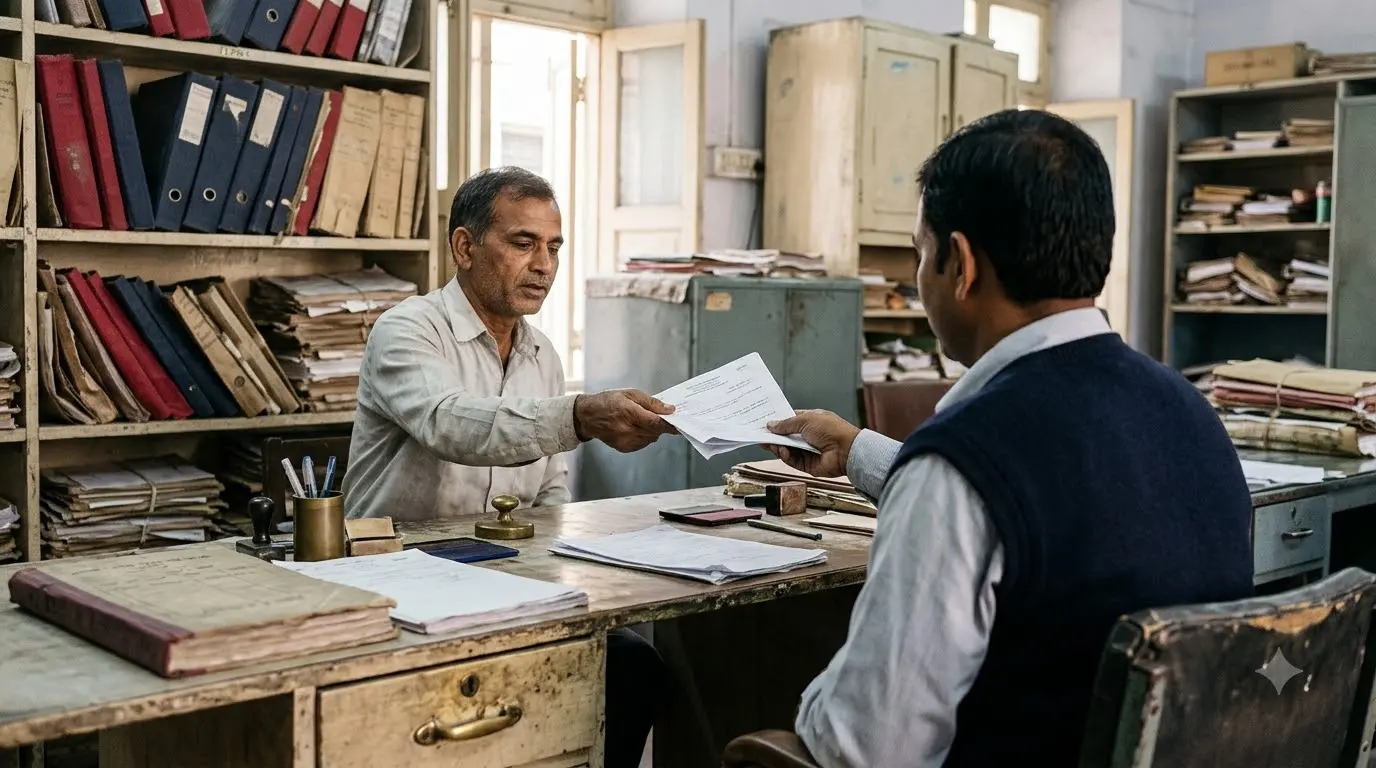
RTI & Public Grievances
Using RTI and grievance systems to get answers from public authorities.
Key Dates and Numbers
- 30 days
- Time for a reply
- The general period under Section 7. A first appeal must also be filed within 30 days.
- 48 hours
- Life or liberty
- The reply period where the information concerns the life or liberty of a person.
- 90 days
- Second appeal
- The time for a second appeal to the Central or State Information Commission.
Overview
The Right to Information Act, 2005 lets any Indian citizen ask a public authority for information, such as records, file notings, decisions and the status of an application, without giving a reason. Public grievance systems let you complain when a government service is delayed or denied.

What This Area Covers
The kinds of matter people most often bring to us in this area.
Drafting RTI Applications
Turning what you want to know into specific questions that a public authority can answer.
Filing Online or by Post
Using rtionline.gov.in for Central bodies, state portals where available, or a postal application.
First Appeals
Appealing to the First Appellate Authority when a reply is late, incomplete or refused.
Second Appeals
Going to the Central or State Information Commission if the first appeal does not resolve it.
Public Grievance Petitions
Written complaints when a government service is delayed or denied, including through official grievance portals.
Follow-Up With Departments
Keeping track of reference numbers and dates, and writing again when a matter stalls.
When You Might Need Help
If any of these sounds familiar, it may help to get guidance early.
- Your pension, scholarship, ration card or other application is pending without explanation
- You want to know what action was taken on a complaint you made to a government office
- You need copies of official records or file notings that concern you
- You want details of how public money was spent on a local road or scheme
How a Matter Usually Moves
This is the usual order of events. Your matter may differ, depending on its facts and your state.
- 1
Finding the Right Office
- 2
Application and Fee
- 3
Waiting for the Reply
- 4
First Appeal
- 5
Second Appeal
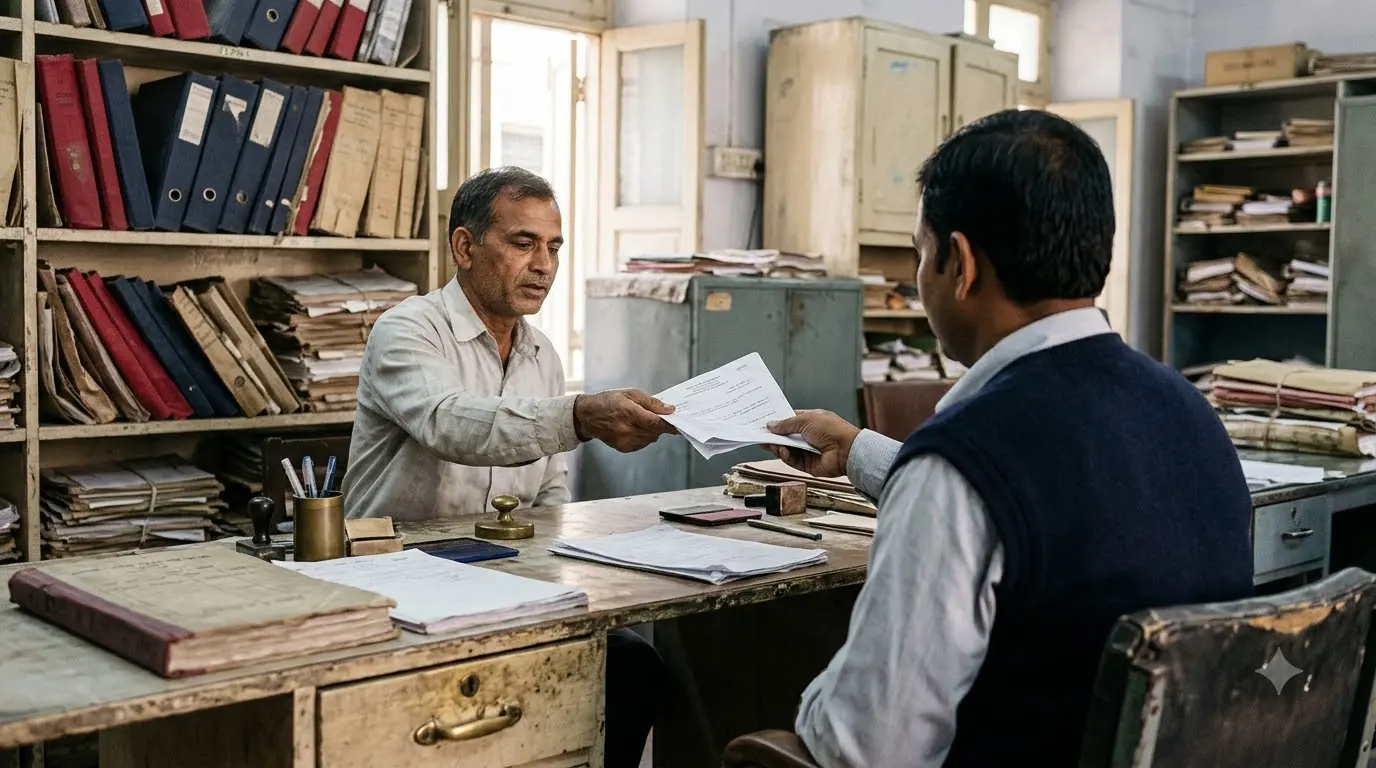
How NYAY GHAR Helps
What you can expect from our team once you share your concern.
Finding the Right Office
We help you identify which public authority holds the information you need.
Drafting the Application
We help you frame specific, clear questions that are easier to answer and harder to deflect.
Tracking Deadlines
We help you keep track of the 30-day reply period and the time limits for appeals.
Appeals and Further Help
We help prepare first and second appeals and, where a matter needs legal action, connect you with an advocate.
Documents to Keep Ready
You do not need all of these. Share what you have.
- Copy of your RTI application and proof of the fee paid
- Postal receipt or online registration number
- Any reply received from the Public Information Officer
- Copy of your first appeal and the appellate order, if any
Mistakes to Avoid
Small slips that can make a matter harder later on.
- Asking broad or opinion-based questions instead of asking for specific records
- Sending several unrelated questions in one application
- Keeping no copy of the application, fee proof or registration number
- Missing the appeal time limits while waiting for a reply
Laws That Usually Apply
The main laws behind this area, in plain language.
Right to Information Act, 2005
Right to Information Rules, 2012
Constitution of India, Article 19(1)(a)
Common Questions
Every situation is different. These pages explain the area in general terms; your matter will be reviewed on its own facts.
How much does an RTI application cost?
For Central Government bodies the fee is Rs 10; state fees vary. Applicants below the poverty line do not have to pay the application fee.
How long does the authority have to reply?
Thirty days in general, and 48 hours where the information concerns the life or liberty of a person.
What if I get no reply or am not satisfied with it?
File a first appeal with the First Appellate Authority within 30 days. If it is still unresolved, a second appeal lies to the Central or State Information Commission within 90 days.
Can I file an RTI online?
Yes. Central ministries and departments accept online applications at rtionline.gov.in, and many states have their own portals.

Not Sure Where to Begin? Start by Telling Us What Happened.
Share your concern in your own words. Our team will read it and get back to you.