

Legal Consultation
A first conversation to understand your situation and your legal options.
Key Dates and Numbers
- 15100
- NALSA legal aid helpline
- For information about free legal aid, through the National Legal Services Authority.
- 112
- Emergency number
- If you or someone else is in immediate danger, call this first.
- 1915
- National Consumer Helpline
- For problems with goods or services you have paid for.
Overview
Not every legal problem fits neatly into one category, and many people do not know where to start. A legal consultation is a first conversation to understand what has happened, which laws may apply, and the options open to you, before you commit to any course of action.
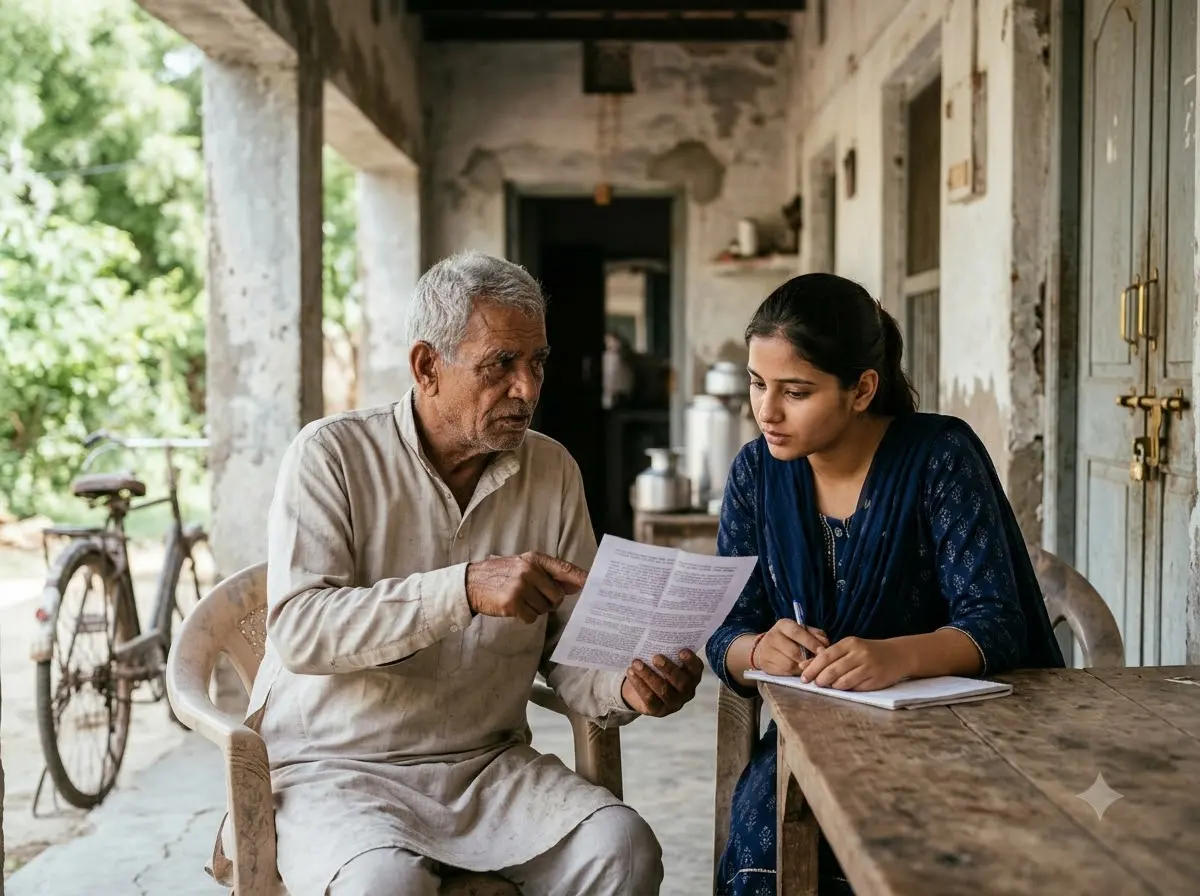
What This Area Covers
The kinds of matter people most often bring to us in this area.
Understanding a Notice or Order
What a legal notice, summons or court order actually says, and what it asks of you.
Finding the Right Area of Law
Working out whether a problem is civil, criminal, family or something else.
A Second View
A fresh look before you sign, settle or file a case.
Rights at Work, Home and With Government
Explaining the rights that may apply to your everyday situation.
Deadlines and Next Steps
Pointing out time limits that may apply, and what to do first.
Free Legal Aid
Whether you may be eligible, and how to apply to your District Legal Services Authority.
When You Might Need Help
If any of these sounds familiar, it may help to get guidance early.
- You have received a legal notice and do not know what it means
- You are unsure whether your problem is civil, criminal or something else
- You want a second view before signing, settling or filing a case
- You need to understand your rights at work, at home or with a government office
How a Matter Usually Moves
This is the usual order of events. Your matter may differ, depending on its facts and your state.
- 1
You Share Your Concern
- 2
Our Team Reads It
- 3
Your Position Is Explained
- 4
Next Steps Are Listed
- 5
Referral, If Needed

How NYAY GHAR Helps
What you can expect from our team once you share your concern.
Listening to Your Concern
You share what happened in your own words through our form, and our team reads it carefully.
Explaining Your Position
We explain the law that may apply, your rights and your options in plain language.
Planning Next Steps
We help you list the documents, deadlines and questions to take into the next stage.
Connecting with an Advocate
Where needed, we connect you with an advocate who handles the relevant area.
Documents to Keep Ready
You do not need all of these. Share what you have.
- A short written timeline of what happened, with dates
- Any notice, summons, letter or order you have received
- Agreements, receipts and other papers connected to the issue
- Relevant messages, emails or photographs
Mistakes to Avoid
Small slips that can make a matter harder later on.
- Holding back facts that feel embarrassing or unhelpful, as they often matter most
- Waiting until a date or deadline is very close before asking for help
- Acting on general advice from social media about your particular case
- Signing or replying to a legal paper before you understand what it says
Laws That Usually Apply
The main laws behind this area, in plain language.
Constitution of India, Article 39A
Legal Services Authorities Act, 1987
Bharatiya Sakshya Adhiniyam, 2023 (Section 132)
Common Questions
Every situation is different. These pages explain the area in general terms; your matter will be reviewed on its own facts.
What should I bring to a first consultation?
A short timeline, all relevant documents, the names of the parties and a list of questions. Be fully open, as communications with your advocate are privileged.
Who is eligible for free legal aid?
Under Section 12 of the Legal Services Authorities Act, eligible persons include women and children, SC/ST members, persons with disabilities, persons in custody and people whose income is below the limit set by the government. You can apply to your District Legal Services Authority or call the NALSA helpline 15100.
Will I know the terms before any further help?
Yes. Further help is arranged only with your consent and on clearly stated terms, so you know what to expect before you proceed.
Can I get guidance in Hindi?
Yes. You can share your concern in Hindi or English and tell us which language you prefer.

Not Sure Where to Begin? Start by Telling Us What Happened.
Share your concern in your own words. Our team will read it and get back to you.