In This Guide
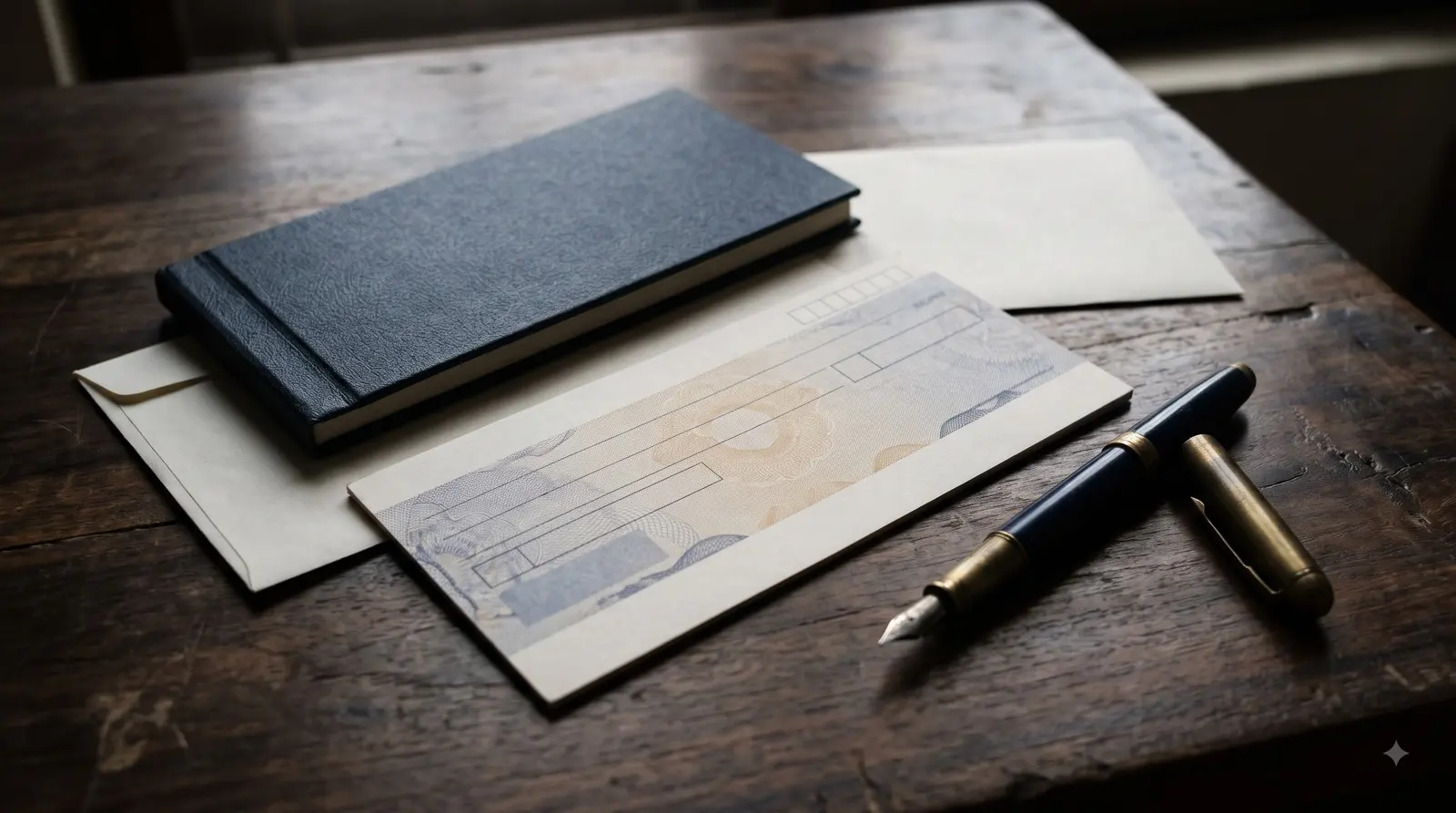
If a cheque given to you bounces, send the drawer a written legal demand notice within 30 days of receiving the bank's return memo. If they do not pay within 15 days of receiving the notice, you can file a complaint before the Magistrate under Section 138 of the Negotiable Instruments Act within one month after those 15 days end.
A bounced cheque is not only a money problem. Under Section 138 of the Negotiable Instruments Act, 1881, dishonour of a cheque given to pay a legally enforceable debt or liability can be a criminal offence. The law is strict on timelines, though. Missing a single deadline can weaken or end your case, so it helps to understand the sequence before you act.
When does Section 138 apply?
Section 138 generally applies when all of these are true:
- The cheque was issued to pay a debt or other liability that is legally enforceable, not as a gift or donation.
- It was presented to the bank within its validity period, which is 3 months from the date on the cheque.
- The bank returned it unpaid, for example because funds were insufficient or the amount exceeded the arrangement with the bank.
- You sent a written demand notice in time, and the drawer did not pay within 15 days of receiving it.
If the cheque was a security cheque or the debt is disputed, the case can become more complicated. These are questions worth discussing with an advocate early.
The Section 138 timeline at a glance
- Present the cheque within 3 months of its date.
- Receive the return memo from your bank showing the reason for dishonour.
- Send a legal demand notice to the drawer within 30 days of receiving the return memo, asking for payment of the cheque amount.
- Wait 15 days from the date the drawer receives the notice. If they pay in full within this time, the offence is not made out.
- File a complaint before the Magistrate within one month after the 15-day period expires, as provided in Section 142. The court can accept a late complaint if you show sufficient cause for the delay, but you should not depend on that.
Caution: Keep a dated record of every step: the date on the cheque, the date of presentation, the date you received the return memo, the date you sent the notice, and proof of when it was delivered. The whole case depends on these dates.
What should the legal notice contain?
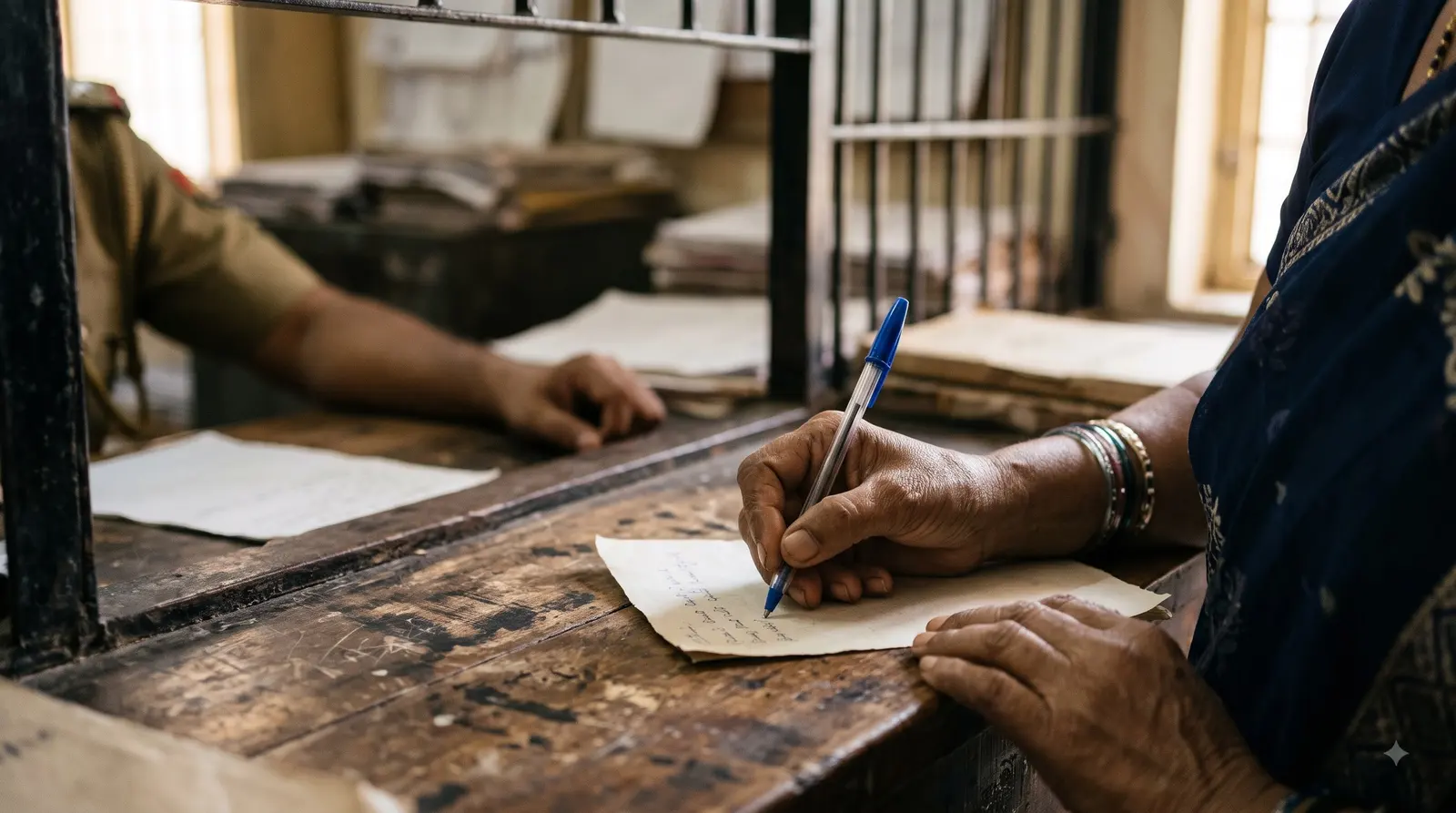
The demand notice must be in writing. It is usually sent by registered post or speed post with acknowledgement, and many people also send it by email or courier for extra proof. It should include:
- Your name and the drawer's name and address
- Cheque number, date, amount and bank
- The debt or liability for which the cheque was given
- The date of dishonour and the reason given in the return memo
- A clear demand to pay the cheque amount within 15 days of receiving the notice
Keep a copy of the notice, the postal receipt and the delivery tracking or acknowledgement card. If the notice comes back refused or unclaimed, keep the returned envelope; do not open it. An advocate can advise how this affects your case.
Filing the complaint before the Magistrate
Where to file: if the cheque was deposited through your bank account, the complaint goes to the court in whose area your bank branch is located (Section 142(2)). If the drawer does not pay, the complaint is filed before the Magistrate with:
- The original cheque and the bank's return memo
- A copy of the legal notice and proof of sending and delivery
- Documents showing the underlying debt, such as a loan agreement, invoices, messages or bank transfers
- Your affidavit setting out the facts
After the court takes the complaint on record, it summons the accused. During the case, the court may order the accused to pay interim compensation of up to 20% of the cheque amount under Section 143A.
What is the punishment for cheque bounce?
If the court convicts, Section 138 allows punishment with imprisonment of up to 2 years, or a fine of up to twice the cheque amount, or both. The actual outcome depends on the facts and the court's view. Many cheque bounce cases end in a settlement, since the law allows the parties to compound, that is, settle the offence.
If you issued the cheque that bounced
If you are the drawer, do not ignore the notice. Read it carefully and note the date you received it, because your 15-day window runs from then.
- If you owe the money, paying within 15 days of receiving the notice avoids the offence.
- If you cannot pay in full, try to negotiate a written settlement or a payment schedule.
- If you dispute the debt, for example because the cheque was misused or the amount was already paid, send a written reply and speak to an advocate promptly.
Other options besides a criminal complaint
A Section 138 complaint is not your only route. Depending on the situation, you can also file a civil suit to recover the money, or try mediation or a Lok Adalat, where a settlement can be quicker and less stressful for both sides.
How NYAY GHAR can help
Cheque bounce cases turn on dates and documents. If you need help drafting a demand notice, checking whether you are within time, or responding to a notice you received, you can request legal assistance and be connected with an advocate who handles civil and money recovery matters. If you are worried about legal costs, read about free legal aid in India. If the dispute is about a product or service you paid for, see our guide on filing a consumer complaint online.
This guide is general legal information, not legal advice for your specific case.
Written by the NYAY GHAR team from the relevant Acts and Supreme Court judgments, for general awareness. Laws change, so check the current position with a qualified advocate before acting.
Official Sources
Frequently Asked Questions
What is the time limit for sending a cheque bounce notice?
You must send the written demand notice within 30 days of receiving the bank's return memo. Count from the date you actually received the memo, and keep proof of that date.
Can I present a bounced cheque again?
Yes, you can present it again while it is still within its 3-month validity. Your 30-day notice period is then counted from the return memo on which you choose to act.
Can a cheque bounce case be settled?
Yes. The offence can be compounded, so the parties can settle at different stages, including through mediation or a Lok Adalat. A written settlement recorded before the court is the safest route.
What if the drawer pays after the 15-day period?
Late payment does not automatically end a case that has already been filed, but it often leads to a settlement. Discuss it with your advocate before withdrawing anything.
Need Help With Your Own Situation?
Every case is different. Share what happened and our team will review it and guide you to the right next step.